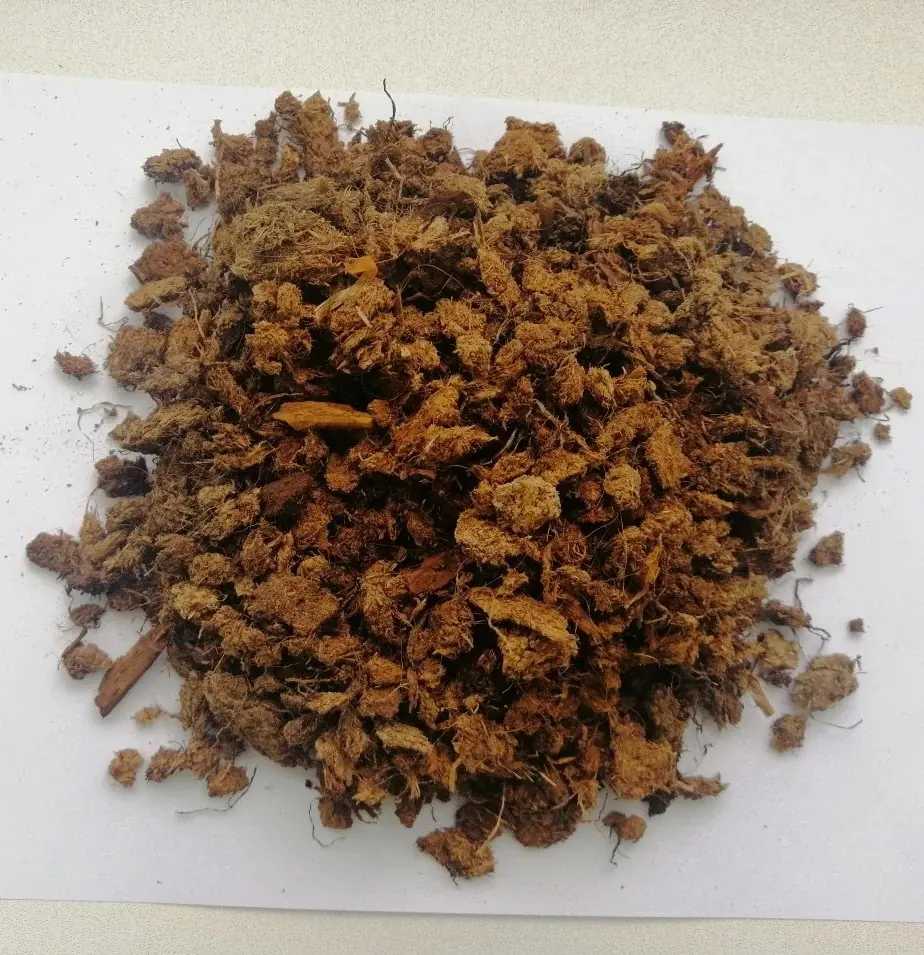
Before planting
Soil and water analysis; adjust the site and nutrient status according to the results. Check that the pH measuring method matches the target range.

Blueberry nursery
Scroll to discover
Mineral fertilisation of blueberry is built on timing, not on one big dose. This is a decision schedule for field crops in Polish conditions; tunnels and containers need a separate programme and fertigation. For nitrogen, acidifying fertilisers such as ammonium sulphate are recommended (annual dose 15–25 g/m²). Fertiliser cannot replace correct pH, irrigation and healthy roots.
Click a stage on the timeline or use the arrows
Soil and water analysis; adjust the site and nutrient status according to the results. Check that the pH measuring method matches the target range.
Assess the bushes, last year's growth and test results. Set the nitrogen plan. At bud swell (April) the first nitrogen dose falls in the following years.
If fertilising is needed, split it into smaller portions suited to plant age and moisture. In the first year, 1/3 of the dose is spread once plants have established. Monitor EC and plant response; avoid salinity.
Right after flowering (second half of May) apply the next part of the nitrogen. Combine crop observation with irrigation control. Add potassium, magnesium and others only once need is confirmed, not by leaf colour alone.
The last part of the nitrogen falls in the second half of June. Assess plants and take a leaf analysis on a date agreed with the lab. Do not routinely extend nitrogen into late summer: shoots must prepare for winter.
Phosphorus, potassium and magnesium are usually applied once in autumn — match the dose to analyses. Review yield, fruit quality and results; plan corrections for next season.
Phosphorus, potassium and magnesium: one dose in autumn.
Enter the area and pick a nutrient
| Nutrient | Nutrient rate (g/m²) | Fertiliser | Fertiliser rate (g/m²) | For your area |
|---|---|---|---|---|
| Nitrogen (N) | 3–5 | ammonium sulphate | 15–25 | — |
| Nitrogen (N) | 3–5 | ammonium nitrate | 11–18 | — |
| Nitrogen (N) | 3–5 | urea | 6–11 | — |
| Magnesium (MgO) | 2–8 | magnesium sulphate | 12–50 | — |
| Potassium (K₂O) | 5–7.5 | potassium sulphate | 10–15 | — |
| Potassium (K₂O) | 5–7.5 | potassium chloride (muriate of potash) | 8–12.5 | — |
| Phosphorus (P₂O₅) | 3–6 | superphosphate | 7.5–16 | — |
| Phosphorus (P₂O₅) | 3–6 | ammonium phosphate | 6–13 | — |
Indicative values for highbush blueberry; always adjust the rate to soil and leaf analysis and plantation age.
Blueberry tolerates chloride poorly — where possible choose potassium sulphate instead of potassium chloride.
The basis of an individual plan is: 1. soil or substrate analysis, 2. analysis of irrigation water. Include location, cultivars, age and spacing of bushes, technology, fertilization history, leaf results, and a description of the problem. Take photos from close up and from a broader perspective, also from the underside of the leaves and at the roots. On this basis, we will determine the scope of assistance and further tests.
Insufficient nitrogen nutrition may result in general leaf paling and limited growth. Assess growth, plant age and fertilization history. Before increasing the dose, rule out root and water problems; a damaged plant may not absorb nutrients despite their presence in the substrate.
Where do the changes start?
What do the changes look like?
What do the changes look like?
Insufficient nitrogen nutrition may result in general leaf paling and limited growth. Assess growth, plant age and fertilization history. Before increasing the dose, rule out root and water problems; a damaged plant may not absorb nutrients despite their presence in the substrate.
Light spaces between the veins on greener veins on young leaves may indicate a problem with iron availability. Check the pH of the root zone and irrigation water. The content of the ingredient in the fertilizer alone will not solve the cause of inappropriate availability.
With a magnesium deficiency, the outer parts of older leaves may turn yellow or red, while the middle part remains greener. The changes must be compared to natural autumn discoloration and other stresses. Base your assessment on the date of onset, distribution of symptoms and analyses.
Young leaves pale between the veins while a fine network of veins stays green. It is easily mistaken for iron deficiency and often relates to pH and root-zone conditions, so start with pH and an analysis.
Young leaves are light green or yellowish across the whole blade, veins included. Unlike nitrogen shortage, changes start at the shoot tips. It is a rare symptom, so rule out other causes first.
Young leaves may be distorted with browning edges and tips, and shoot tips may die back. Blueberry needs acid soil, so liming without an analysis can do harm; judge the symptoms together with test results.
Shoot tips may turn brown and die, buds may drop and young leaves can be thick or brittle. The range between boron shortage and excess is narrow, so do not apply it without an analysis.
New leaves are smaller and narrower, internodes short and shoot tips look like a rosette. Damaged roots or unsuitable pH can look similar, so judge it together with an analysis.
Young shoots may pale, wilt and die back from the tip, and leaves can be discoloured. Copper shortage is rare; diseases, drought and damaged roots can look the same.
Older leaves may show small spots and brown, scorched edges or tips, sometimes rusty. Salt damage or drought looks similar; compare with a substrate and salinity analysis.
Plants grow poorly, leaves are dark green and older ones may turn purplish or brownish. Cold and poorly working roots cause similar colour, so check conditions before fertilising.
Leaves may be pale, lemon-yellow with spots between the veins. It is a very rare shortage; other causes usually lie behind this picture, so an analysis is needed.
Take photos of the whole plant and both sides of the leaves. Check the soil or substrate and water analysis, pH and root condition. If a leaf analysis is needed, agree the date and sampling method with the laboratory.
This is a pointer for further testing, not a ready fertiliser recipe.
Ask about analysis and a plan →Take photos of the entire plant and both sides of the leaves. Check the current soil or subsoil and water analysis. If leaf analysis is needed, agree with the laboratory on the date and method of sample collection. Only then choose the correction; a universal picture of deficiencies will not replace the diagnosis of blueberries.