

Blueberry nursery
Growing blueberries in pots
Scroll to discover
Why grow in pots?
Blueberries need an acid, free-draining and evenly moist substrate. It is easier to provide in a pot than in heavy or alkaline soil: you choose the substrate and supply water and nutrients in a controlled way. It does, however, require reliable irrigation, regular feeding and winter protection for the roots, which are less sheltered from frost in a pot than in the ground.
45 l pots — the optimal choice
For commercial production, pots of 45 litres (about 45 cm in diameter) work best. They give the roots plenty of room, dry out more slowly and let the plant grow well for many years. We have such pots in our offer — together with plants and substrate.
Substrate and pH
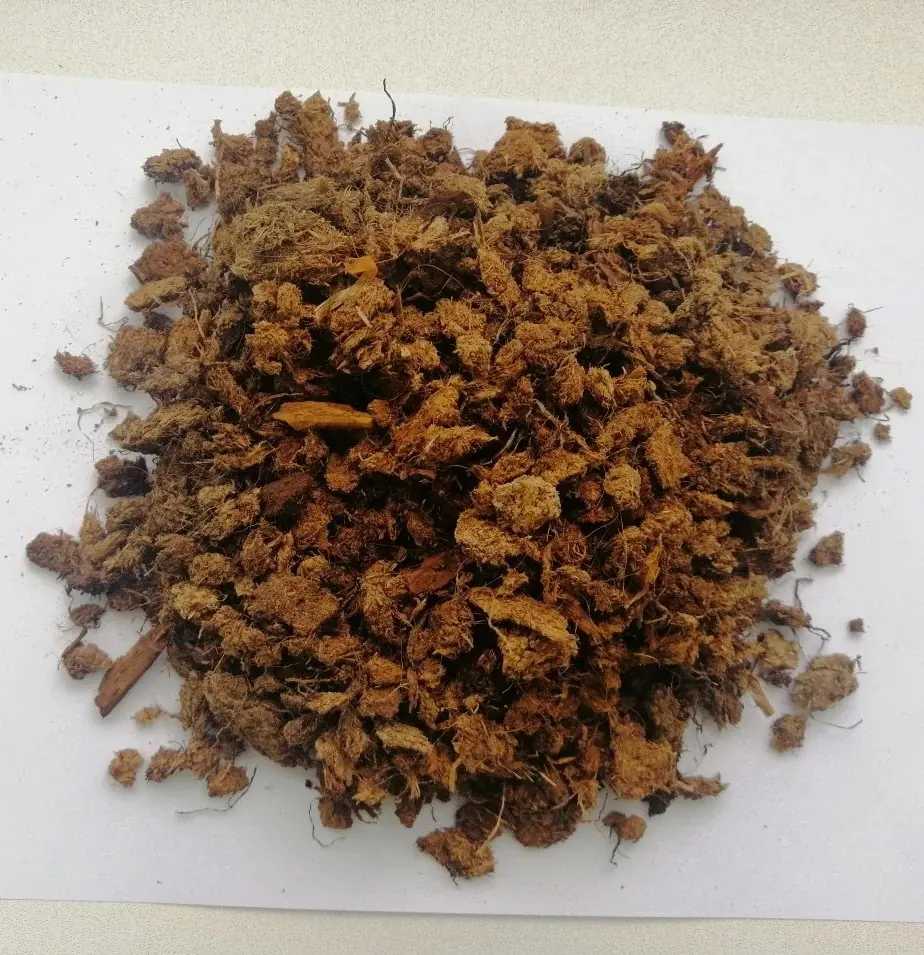
Use an acid substrate, usually pH 4.5–5.5, with good structure and drainage. Properly prepared acid peat works well as the base — see our page on peat. Excess water must drain freely from the pot, because standing water favours root diseases.
Planting in the pot
If the root ball is dry, soak it for 20–30 minutes. Plant so that the crown is level with the substrate surface: planting too deep harms the roots, too shallow risks drying out. Firm the substrate gently without compacting it and water thoroughly.
Double rows in a zigzag — more plants in the tunnel
Potted plants can be arranged in double rows in which the pots stand in a zigzag: one line is shifted by half a step relative to the other. This fits far more plants into the same tunnel than single rows — in practice over 6,000 plants per hectare (about 7,000 in theory). Example: a 9 m wide tunnel, three double rows, 0.5 m between the lines of a pair and 0.95 m along the line. Below you can change the dimensions and see the plant count straight away.
Double-row zigzag layout — tunnel plant count
Move the sliders to see how the plant count changes. 45 l pots (Ø 45 cm) in a zigzag fit more densely than in single rows.
The pots touch — increase the spacing.
Theoretical count. The practical count depends on tunnel length, passages and work organisation.
Light, water and nutrition
Blueberries need at least six hours of direct sun a day. The substrate should be constantly moist but never waterlogged, so drip irrigation with controlled doses works best in commercial production. Use acid fertilisers made for blueberries during active growth — spring and summer, ideally through fertigation. See our fertilisation guide for details.
Pruning and fruiting
At the end of winter remove dry, diseased and old branches to improve light and airflow. Fruiting usually begins in the second or third year, and with good care a plant can fruit for 15–20 years.
Diseases and pests
Check leaves, shoots and fruit regularly. Spot aphids, spider mites, thrips and caterpillars early; mites like heat and dry air. Airflow and keeping leaves dry help against grey mould and mildew, while a free-draining substrate and no waterlogging protect against Phytophthora. Anthracnose is limited by removing affected fruit and keeping the area clean. Symptoms are described in our guides on diseases and pests.
Harvest and storage
Pick fruit when it is uniformly dark blue; it reaches full ripeness 3–7 days after colouring. Pick by hand, gently, in the cooler parts of the day, checking plants every 2–3 days. Cool the fruit quickly, keep it in shallow ventilated containers and do not wash before storage. Frozen on a tray and then packed in airtight bags it can keep for up to a year.